Same Project, Two Shopping Trips: What $38 of Difference Actually Bought Me
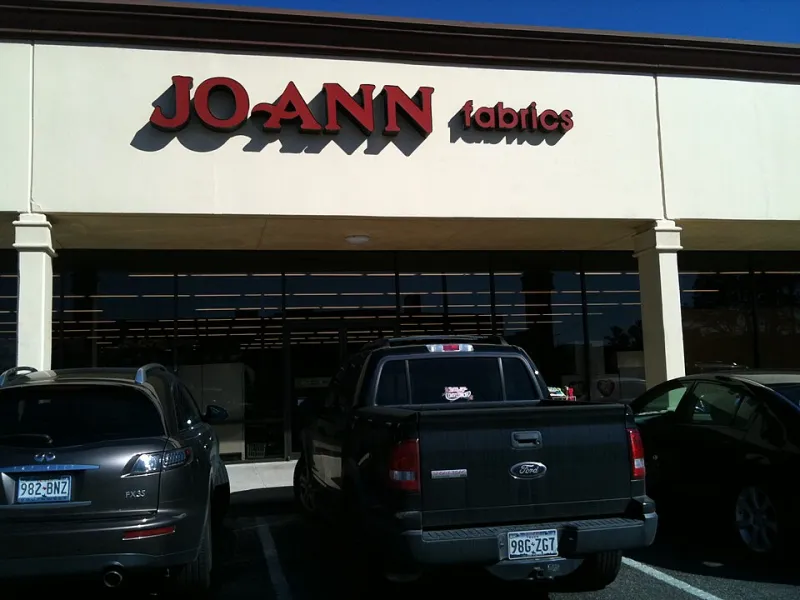
Photo: Social Woodlands from USA, CC BY 2.0, via Wikimedia Commons
Let me get the boring part out of the way first: I made a spreadsheet.
For one month, I ran a little experiment. I picked a single project — a small hand-sewn quilted wall hanging, nothing fancy — and sourced its supplies twice. Once from Marisol's, an independent fabric and craft shop about twenty minutes from my house, and once from a big-box craft chain in the suburbs that shall remain nameless but you've absolutely parked at. Same items. Same quantities. Receipts saved, notes taken, opinions formed.
The results, for the budget-conscious makers who deserve the real numbers:
The Spreadsheet Verdict
| Item | Big-Box | Local Shop |
|---|---|---|
| Cotton fabric (1.5 yds) | $11.97 | $15.75 |
| Thread (2 spools) | $5.98 | $8.50 |
| Batting (crib size) | $12.99 | $16.99 |
| Rotary blade refill | $7.49 | $9.25 |
| Total | $38.43 | $50.49 |
That's a $12.06 difference, roughly 24%. The local shop lost on price, full stop. If your only variable is money and you're buying exactly these five items, buy at the chain. I'm not going to pretend otherwise, and I distrust any article that does.
But quality told a more interesting story. The chain's cotton was fine — honestly fine — but two of the bolts were noticeably thinner than what I found at Marisol's, and the batting felt like it would beard through the fabric after a few washes. Marisol's cotton had a hand to it, that dense-but-soft feel you notice the first time you press a seam. The wall hanging I made from local supplies is the one I'd actually give as a gift.
Then there was the rotary blade. At the chain, I bought a sealed pack off the shelf. At Marisol's, the owner watched me pick one up and asked what cutter I was using, then talked me out of the refills and into a sharpening service she runs out of the back for six bucks. She was right. She saved me money. At the big-box store, nobody knew I existed.
What the Spreadsheet Can't Row
Here's where I'll lose the purely transactional readers, and that's fine.
Over the month, I went to Marisol's four times. By the third visit, she was pulling bolts she thought I'd like before I asked. By the fourth, another customer — a retired home ec teacher named Dorothy — overheard me agonizing over binding and gave me a fifteen-minute masterclass by the cutting table. I left with a better plan and a phone number in case I got stuck.
That's not a bonus feature. For a certain kind of maker, that's the whole product.
I also want to be honest about the friction. Marisol's closes at 5:30, which is a problem for anyone with a standard job. Her selection of basic solids is smaller. I waited a week once for her to restock a color. The chain is open until 9, has everything in stock, and I can be in and out in fifteen minutes. If crafting is your occasional hobby and your weekends are already full, the chain is a perfectly reasonable answer and you should not feel guilty about it.
My Actual Recommendation
A both-and strategy, based on a month of receipts:
- Buy consumables at the chain. Thread, glue, batting basics, blades — commodities are commodities. Save the difference.
- Buy the hero materials local. The fabric that IS the project, the paper that IS the print, the wool that IS the sweater. Quality shows and expertise compounds.
- Spend your learning budget local. The $12 I saved at the chain bought me nothing. The conversations at Marisol's taught me things I'll use for years.
The $12 difference was real. What it bought me in saved time was real too. But I finished the project with a better wall hanging, a sharper blade, a new resource named Dorothy, and a shop owner who now texts me when interesting fabric comes in.
You can't put that in a spreadsheet. You can absolutely put it in your practice.