Broke in December, Rich in Burnt Fingers: The Year a Handmade Gift Had to Be Enough
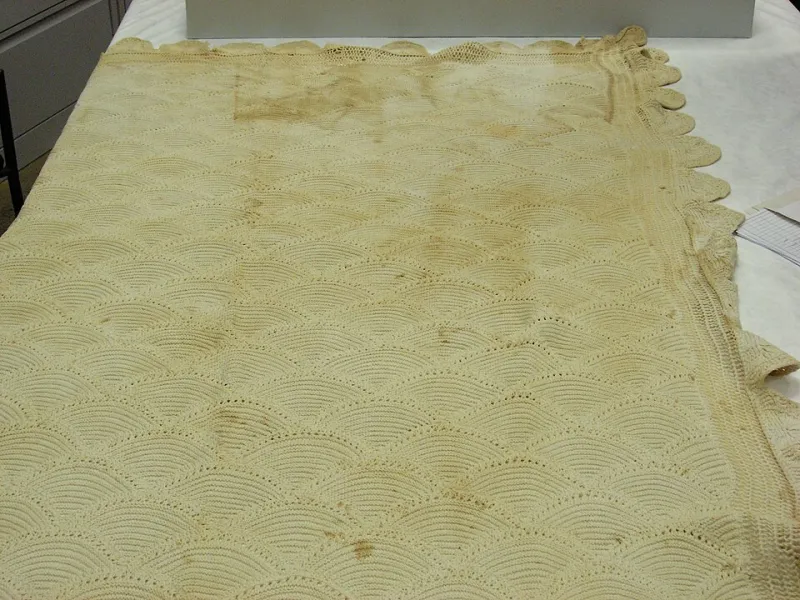
Photo: William Duff, CC BY 4.0, via Wikimedia Commons
Let me set the scene: it was mid-December, I had $47 to my name, and my sister's birthday — yes, her birthday is in December, which is its own special cruelty — was nine days away.
For months I'd had my eye on the perfect gift. A enameled cast iron Dutch oven, the kind that shows up in every food blogger's kitchen and costs about as much as my monthly grocery run. She'd mentioned it exactly once, offhandedly, while we were watching some cooking show on a Sunday afternoon. I'd remembered. I'd bookmarked it. I'd checked the price four times hoping it would drop.
It did not drop. And neither did my bank account.
The Math That Forced My Hand
Here's the thing about being broke around the holidays: it strips away every comfortable illusion about what giving means. When money is no object, you can buy thoughtfulness off a shelf. When money is entirely the object, you have to get creative or get honest.
I ran the numbers one more time at my kitchen table, a habit I picked up from my mother, who could make a grocery list feel like a financial audit. Rent was due. The car needed an oil change. The Dutch oven was not happening.
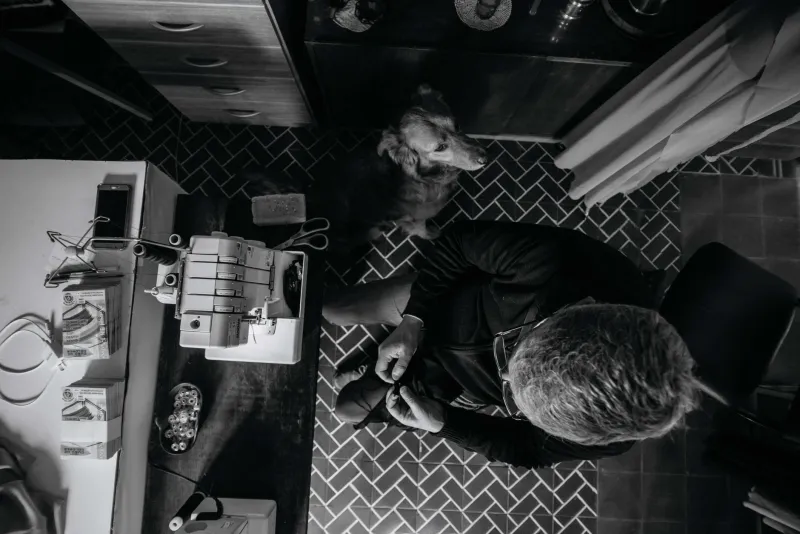
What I had instead was a sewing machine, a decent stash of fabric inherited from a great-aunt who believed in buying wool when it was on sale, and just enough skill to be dangerous. My sister had been complaining for two years about a worn-out quilted throw she kept on her reading chair — the one from college, the one held together mostly by sentiment and a safety pin.
I could make her a new one.
Craft as Love Language vs. Craft as Consolation Prize
I want to be honest about the knot in my stomach when I started cutting that fabric, because I think a lot of makers know this feeling and don't always say it out loud.
Part of me felt like a handmade gift was a downgrade. A consolation prize. The "it's the thought that counts" of gifts — the thing you give when you can't give the real thing. I'd seen that eye-roll before, the polite smile that says oh, you made this without any of the warmth the words are supposed to carry.
There's a real tension here for anyone who creates. On one hand, we're told that making something by hand is the ultimate expression of care — hours of labor, personal attention, a one-of-a-kind object. On the other hand, we live in a culture that puts a price tag on everything, and a price tag is the fastest way people measure how much they're valued. A $60 quilt made in ten hours reads very differently on paper than a $60 Dutch oven bought in ten minutes.
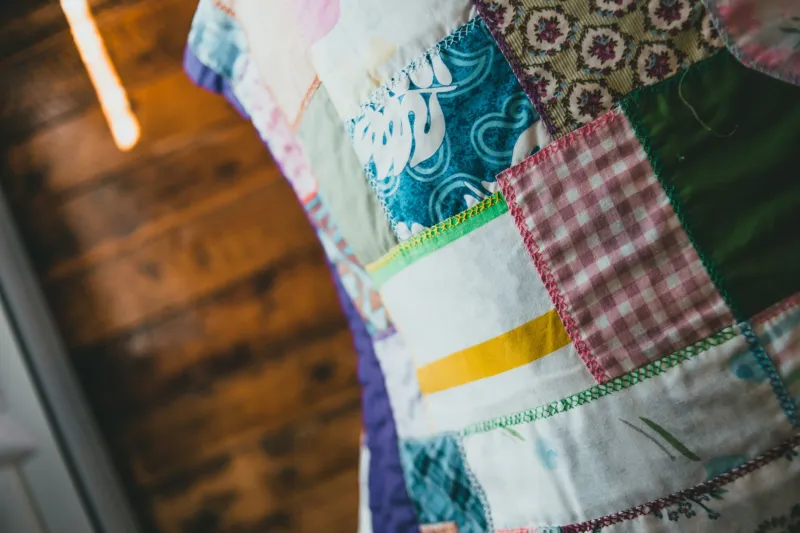
So I made the quilt anyway. Because the alternative was giving nothing, and because somewhere underneath the insecurity, I knew something true: I was putting thirty-some hours of attention into a gift specifically shaped around my sister's life. The fabric was her colors. The size fit her chair. The binding was double-stitched because she is rough on everything she owns and I love her anyway.
The Handoff
I gave it to her at her birthday dinner, wrapped in plain kraft paper because fancy wrapping paper was also not in the budget.
She opened it. She unfolded it. She ran her hand over it and got quiet for a second.
And then she said, "You made this? For me?" and pulled it around her shoulders right there at the table, in a restaurant, in front of everyone.
Here's what nobody tells you about that moment: it wasn't the quilt that landed. It was the evidence of attention. She said, later, that what got her wasn't the gift itself but realizing I'd remembered the chair, the colors, the safety-pinned casualty of a throw she'd been nursing along. You can't buy that at any price point. You can only pay for it in hours.
What I'd Tell My Broke December Self
If I could go back to that kitchen table, I'd tell myself this: the Dutch oven was never the real gift. It was a stand-in for "I know you, I see you, I planned for you." The quilt did that job better, not worse.
But I'd also add a caveat, because generosity runs both directions. A handmade gift is only a love language when it's made for someone. Made grudgingly, made as a shortcut, made with a chip on your shoulder about what you couldn't afford — that energy shows up in the stitching. The recipient doesn't need to know a single thing about craftsmanship to feel the difference between a gift made with attention and a gift made with resentment.
These days, I can afford the Dutch oven. I still make the quilt.
Not because I have to. Because now I know what my sister figured out at that restaurant table before I did: the most expensive thing you can give someone is the hours it takes to know them well. Everything else is just packaging.