My Studio Has a Lead Character and It Isn't Me
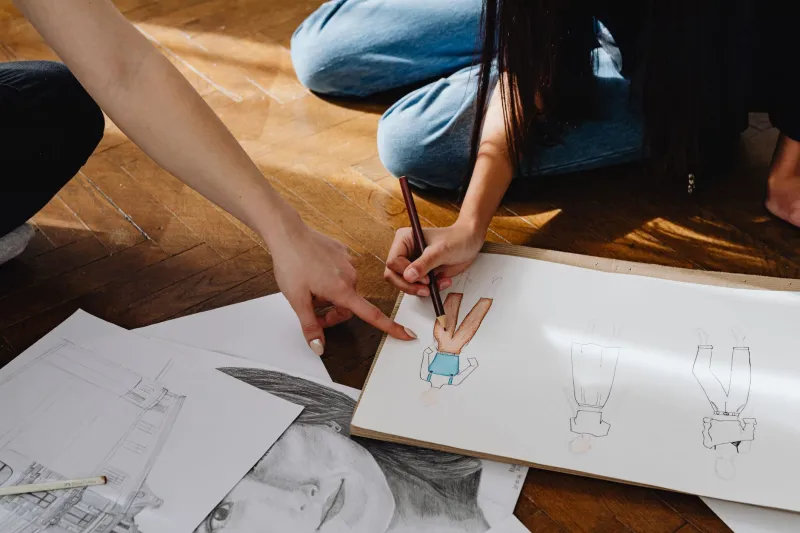
Last month I did something that felt either very brave or very stupid: I asked five people who had been inside my studio to draw it from memory. No peeking. No phone photos. One blank index card, one pencil, one week. I wanted to know what stuck.
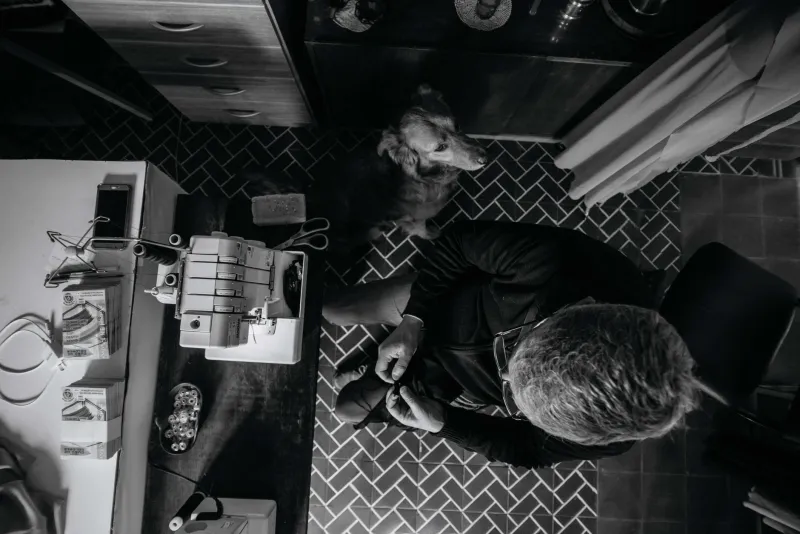
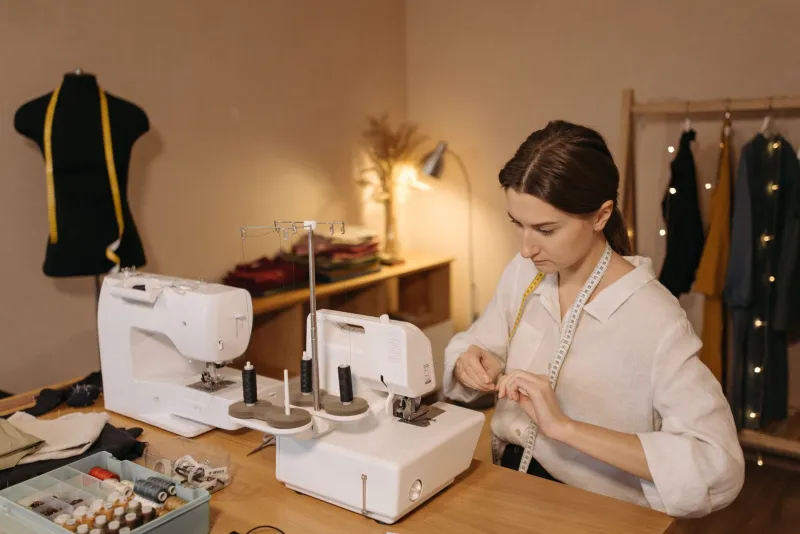
The studio is a converted garage in central New Jersey. It has a north-facing window, a folding table that has survived three moves, a pegboard wall, a thread rack, an old radio, an orange chair I keep meaning to reupholster, and a coffee mug situation that I will describe politely as a collection. I spend a lot of time in there. I thought I knew what it looked like to other people.
I did not.
The Rules Were Simple. The Results Were Not.
My five volunteers were not art people. That was the point. There was Dana from across the street, who borrows my ladder twice a year. My brother-in-law Marcus, who helped me hang the pegboard and has opinions about anchors. Priya, a friend from a ceramics class who once stopped by to drop off a plant. My nephew Eli, who is fourteen and mainly associates the studio with snacks. And my mom, who has seen the room in every stage of chaos and still calls it my happy place.
I gave each of them the same instruction: draw the studio from memory. Label anything you remember. Don't worry about making it good. A week later, I collected five index cards.
What Everyone Remembered
Dana drew the folding table, the pegboard, and a very aggressive window. The window was on the wrong wall, but it was clearly important to her. She also drew a rectangle near the door and labeled it Nono's area. The rectangle was empty.
Marcus drew the coffee mugs. All of them. He gave them individual shapes. He also drew the radio, the orange chair, and a stack of fabric that looked like a geological cross-section. No person. Just a chair that appeared to be waiting for someone who never showed up.
Priya remembered the quilt rack and the thread wall. She drew a plant in the corner and labeled it the plant that died in 2022. Fair. She also drew a small stool near the table and wrote, I think this is where she sits. But she did not draw me sitting on it.
Eli's drawing was mostly infrastructure. Outlets. Extension cord. The snack drawer. A chair he labeled good chair. He included the radio antenna in impressive detail and absolutely no human figure. When I asked why, he said, I don't know. You're always moving.
My mom drew everything tiny and labeled. Table. Shelf. Iron. Mug. The window. The door. She even drew the hook where I hang my keys. In the middle of the card, she wrote, where the magic happens. No Nono. Not even a stick figure. She drew the mug I always use but not the hand that holds it.
The Person Was Not Load-Bearing
I laughed when I spread the five cards across the table. Then I got quiet for a minute, because the pattern was hard to miss. Everyone remembered the tools. Everyone remembered the furniture. Everyone remembered the snacks and the dead plant and the chair. Nobody remembered the person.
At first that stung. I had been treating my studio like a self-portrait. I thought the room said something about me. I thought my taste, my habits, my whole creative identity were baked into the walls. But my five volunteers were not drawing a portrait. They were drawing a workshop. They were drawing the things that make the work possible. The table, the light, the outlet, the chair, the snack drawer. The stuff that holds the day together.
And honestly? They were right. I am not usually sitting still in that room. I am moving between the cutting table and the iron. I am digging through the thread rack. I am standing at the window because the light is better there. I am opening the snack drawer because I have the blood sugar of a hummingbird.
Dana drew a worn strip of floor between the cutting table and the iron. She did not know she was drawing me. That path is the closest thing to a self-portrait in the whole stack.
The Weird Part Is That They Were Right
Here is the humbling part: the drawings were more accurate than my own idea of the room. I think of the studio as my space. They think of it as a place where things get made. Those are not the same thing.
I had spent months fussing over the wrong details. I wanted the shelf to look curated. I wanted the pegboard to feel intentional. I wanted the room to read as creative to anyone who walked in. But my five volunteers did not remember the shelf. They remembered the good chair. They remembered the snack drawer. They remembered the radio and the plant I killed and the mug that is always on the table.
That is not an insult. That is a reality check. A studio is not a monument to the person who uses it. It is a set of instructions for making things. If people remember the instructions and forget the instructor, maybe the room is doing its job.
What I Changed Afterward
I did not overhaul the studio. I did not buy a ring light or a stylish stool or a sign that says create. I did one small thing. I hung the five index cards above the table, right next to the pegboard.
They are not good drawings. They are accurate. They remind me that the room is not about me being seen. It is about the work getting done. They also remind me to fix the window label. Dana was way off.
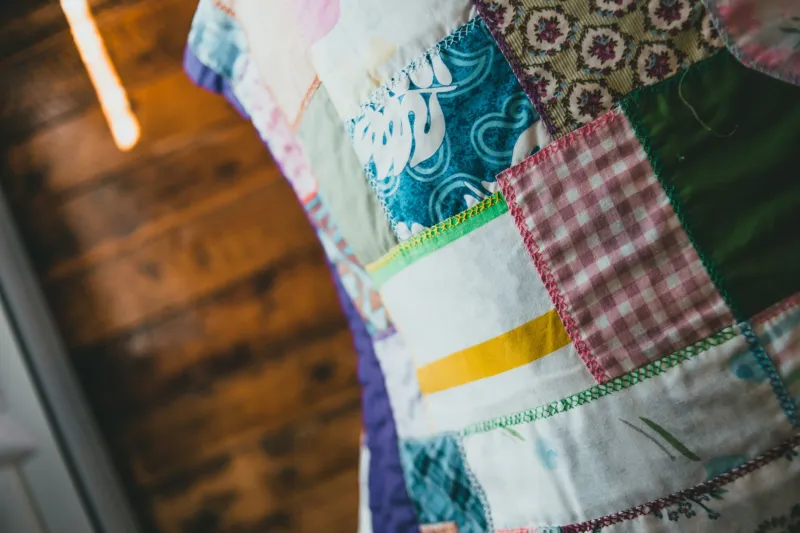
The other change was smaller and harder to explain. I stopped apologizing for the room being a room. The coffee mugs are part of the process. The dead plant is part of the process. The good chair is part of the process. The path worn into the floor is the whole point.
So no, nobody drew me. But five people drew the place where I disappear for hours at a time. They drew the table, the light, the tools, and the snack drawer. They drew the room that makes the work possible.
That is a better portrait than I deserved.